Monday, May 18, 2026
Arvind Narayanan: Adapting to the Transformation of Knowledge Work
- Hybrid
- Seminar
The DEL Seminar Series is proud to host a diverse roster of bright minds from around the world to discuss various subjects surrounding economics and technology.
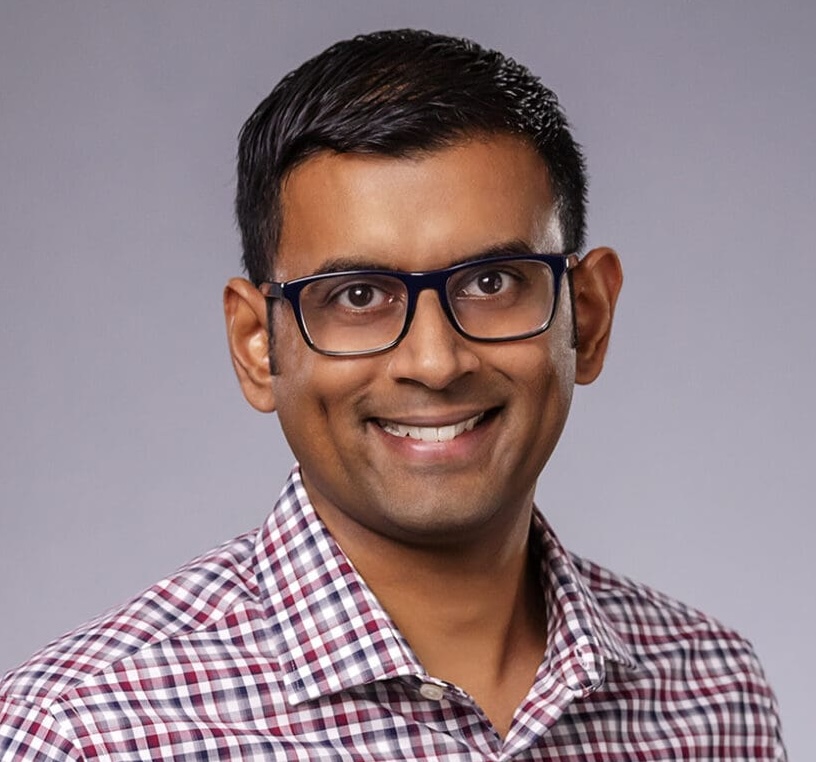
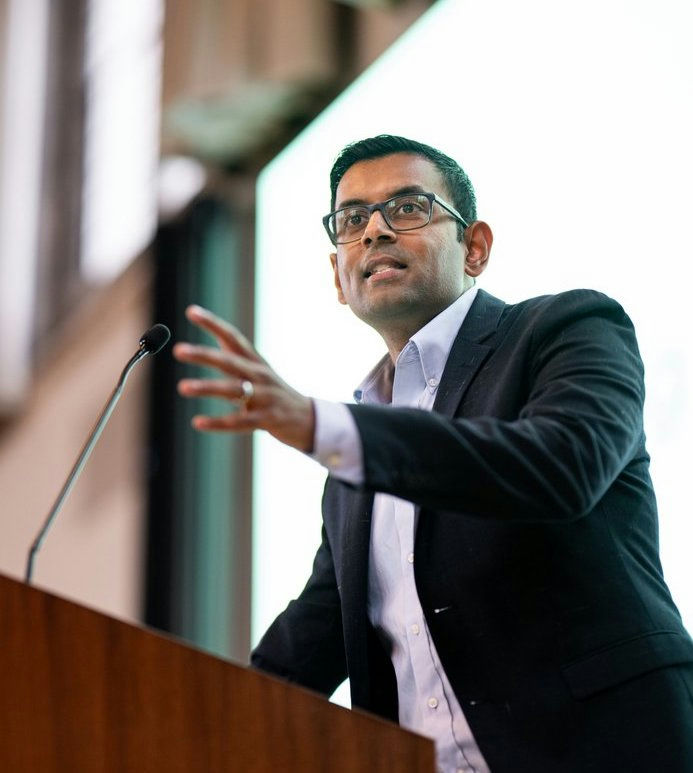
On Monday, May 18 Arvind Narayanan, Professor of Computer Science at Princeton University, stopped by the Lab for our Seminar Series.
Video of the event will be available here soon!
Abstract
The possibility that AI will automate most cognitive labor is worth taking seriously. How should we adapt to this transformation? I start from the perspective, articulated in the essay “AI as normal technology”, that the true bottlenecks lie downstream of capabilities and that AI’s impacts will unfold gradually over decades. If this is true, there are major gaps in our current evidence infrastructure, because it over-emphasizes the capability layer. I will describe our efforts to measure diffusion-relevant technical properties that go beyond benchmarks, such as (1) “open-world” evaluations that test AI on messy real-world tasks and (2) measuring AI reliability as an orthogonal dimension to capability. I will also discuss what I think is missing in our current understanding of diffusion.
A more forward-looking agenda is to theorize a world in which cognitive labor has been automated. This will allow us to develop hypotheses about what will still be scarce even in this world, and where the demand for labor may actually increase; how institutions that relied on certain kinds of scarcity might break; and what new social, ethical and political challenges may arise. This will give us a head start on developing policies for this future.
In short, I advocate for a two-track approach of developing better situational awareness of the unfolding transformation as well as better anticipation of what a new equilibrium might look like.
Arvind Narayanan
Digital Fellow