
Simulating the Survey of Professional Forecasters
Authors:
Anne Lundgaard Hansen, Sophia Kazinnik, Daniela Puzzello, Ali Zarifhonarvar, John Horton
Economic policy and business decisions are often made with limited ability to “test-drive” scenarios before they happen. This project develops AI-driven simulation frameworks that let researchers, policymakers, and organizations explore how economic systems respond to alternative assumptions, information, incentives, and policy choices.
We combine AI and ML tools (such as large language models and agent-based methods) with established economic measurement and causal reasoning to build transparent, auditable simulation environments. The environments range from forecasting and formation of consumer and business expectation to financial fragility, consumer decision-making, and policy communication.
These tools can generate synthetic but structured “what-if” scenarios, stress-test interventions, and help evaluate tradeoffs (e.g., stabilization vs. distributional impacts) while keeping the underlying assumptions explicit. Validation is key: we benchmark AI-generated behavior and predictions against human experts, historical outcomes, and real-time data where available. The goal is not to replace human judgment, but to expand the set of scenarios we can evaluate quickly, consistently, and responsibly, so that economic analysis is more adaptive when conditions change.
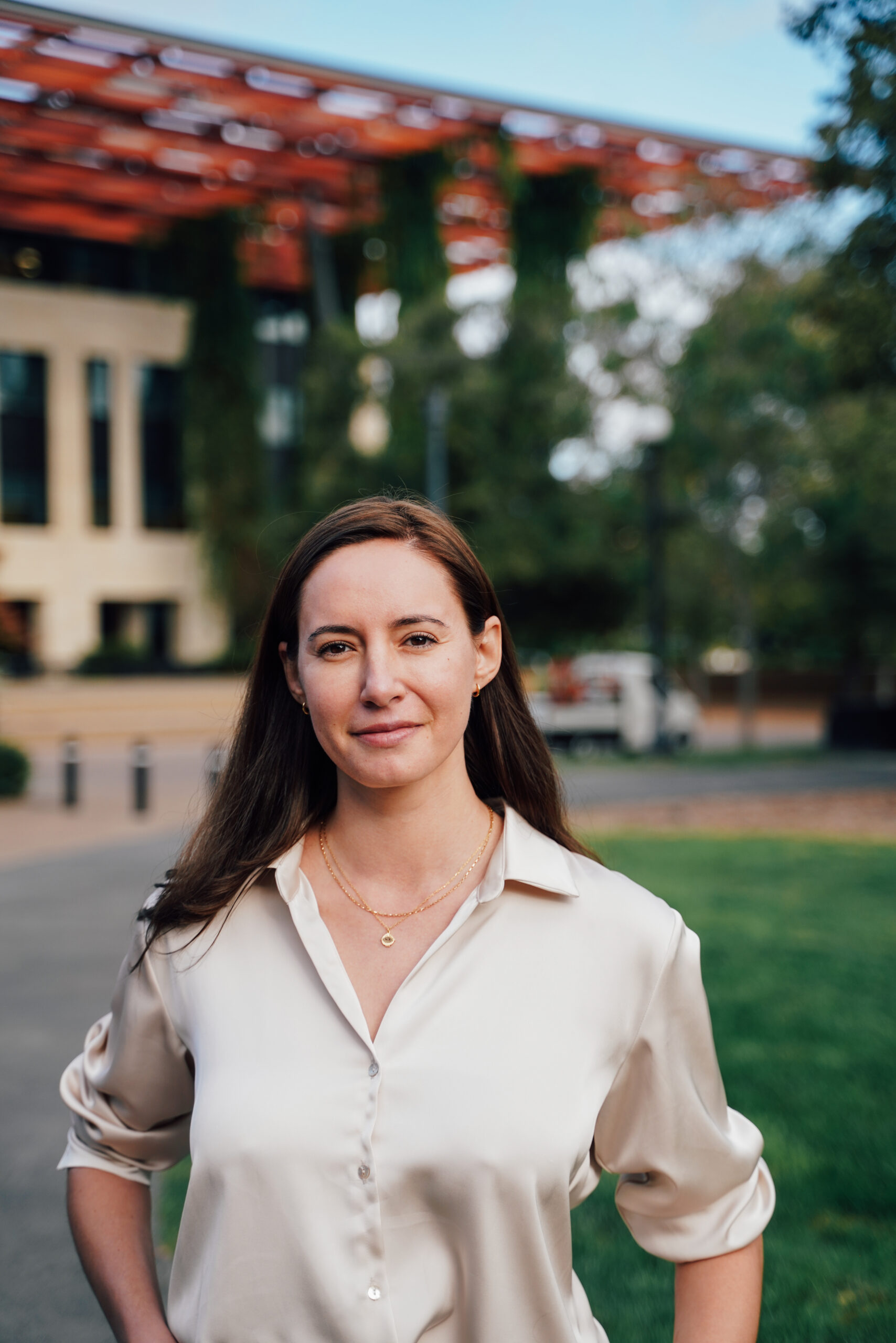
We use AI to build economic ‘sandboxes.’ These sandboxes are places where we can explore scenarios, incentives, and policy choices quickly and transparently, and then validate what holds up against real data and expert judgment.
Research Scholar
Sophia Kazinnik is a Research Scientist at Stanford’s Digital Economy Lab (HAI), where she builds generative AI systems to explore how language and behavior shape economic outcomes. Her work turns economic questions into computable experiments, using LLM-powered agents and multi-agent simulations to study financial fragility, policy communication, and market expectations. In some of her recent projects, she has modeled bank runs, simulated FOMC deliberations, and evaluated how today’s AI interprets central bank language.
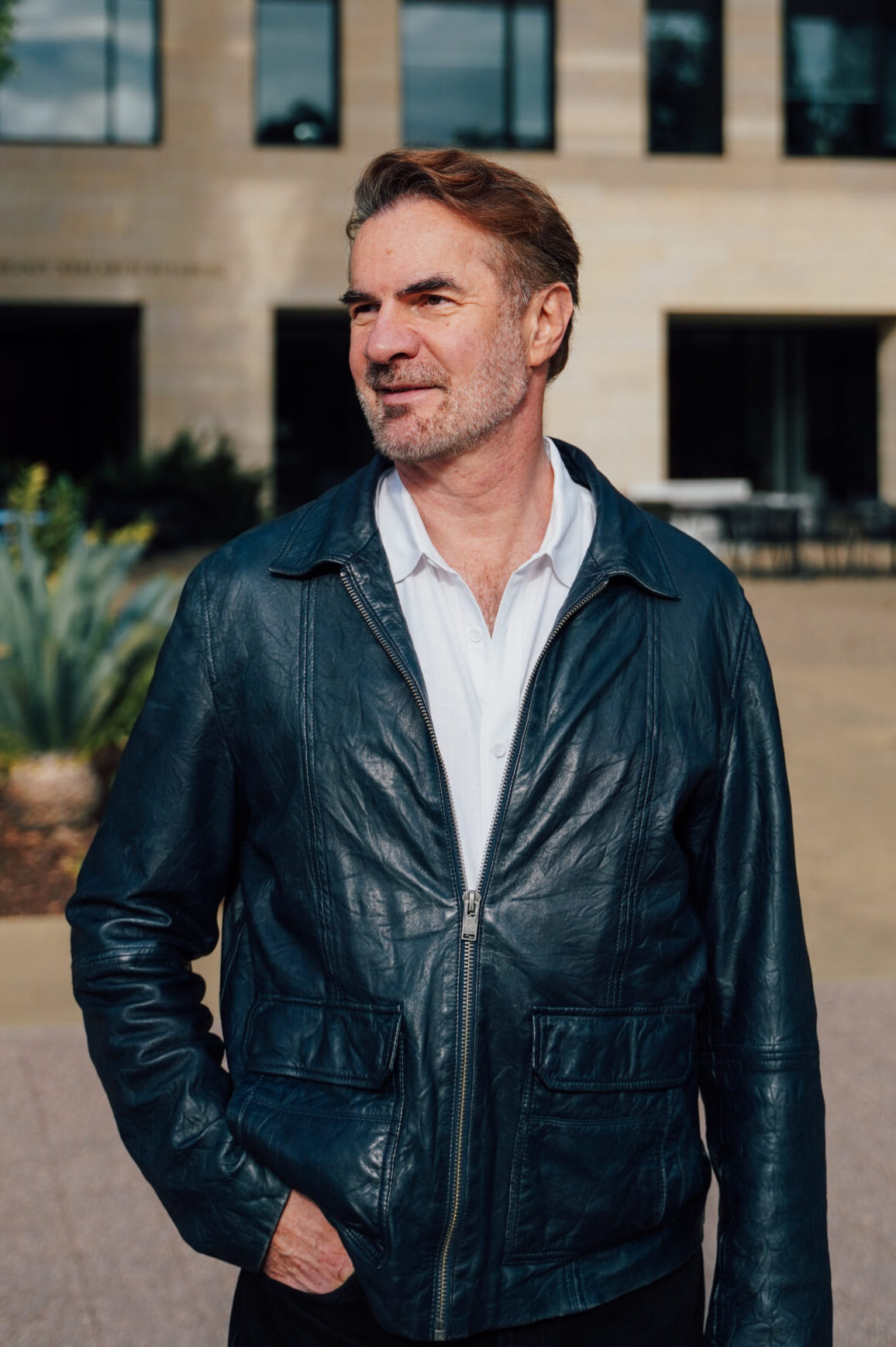
Jerry Yang and Akiko Yamazaki Professor
Erik Brynjolfsson is one of the world’s leading experts on the economics of technology and artificial intelligence. He is the Jerry Yang and Akiko Yamazaki Professor and Senior Fellow at the Stanford Institute for Human-Centered AI (HAI), and Director of the Stanford Digital Economy Lab. He also is the Ralph Landau Senior Fellow at the Stanford Institute for Economic Policy Research (SIEPR), Professor by Courtesy at the Stanford Graduate School of Business and Stanford Department of Economics, and a Research Associate at the National Bureau of Economic Research (NBER).
One of the most-cited authors on the economics of information, Brynjolfsson was among the first researchers to measure productivity contributions of IT and the complementary role of organizational capital and other intangibles.
Read more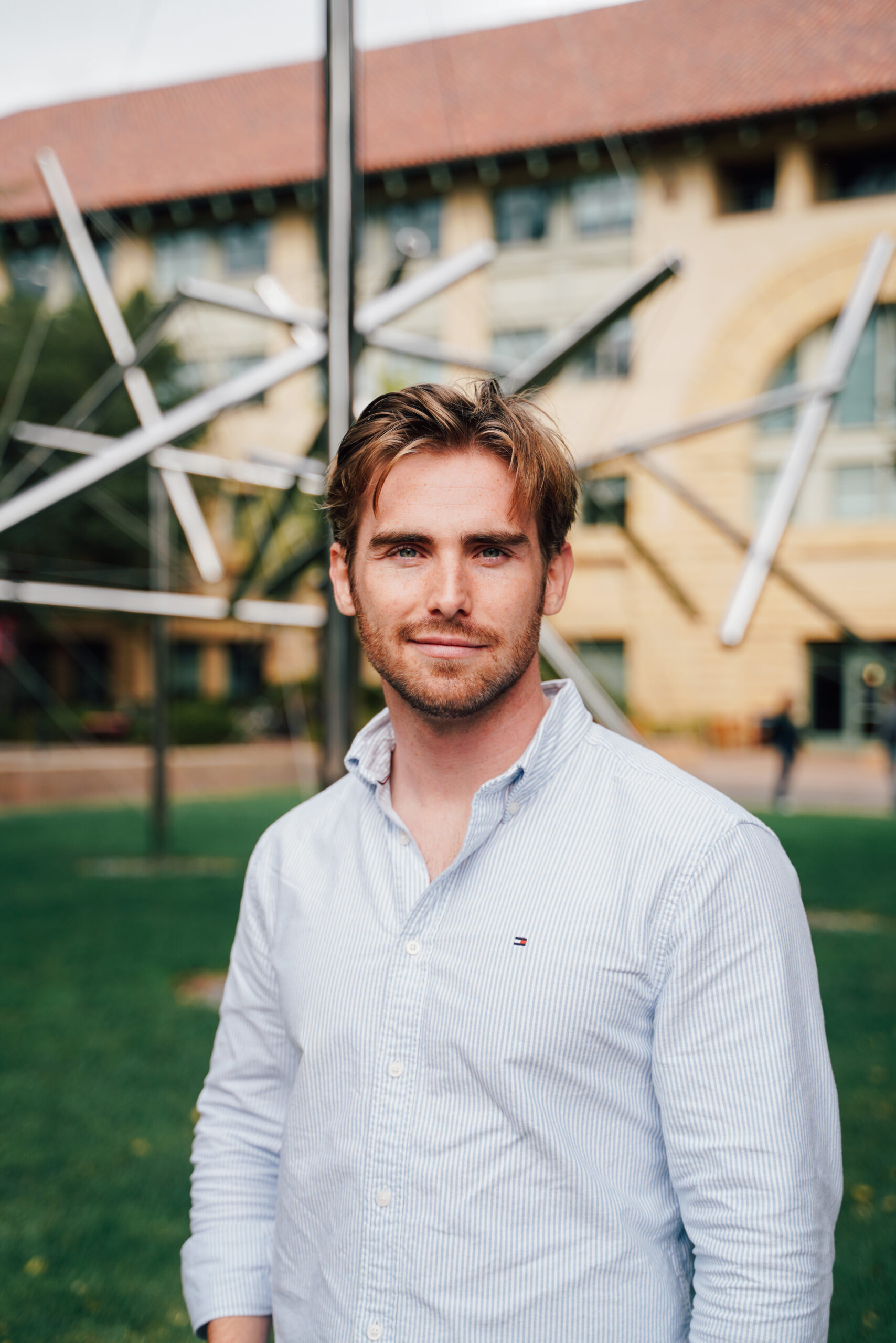
Digital Fellow
Tobin works on MCP and agents at Anthropic, and is a research fellow at Stanford University, advising research for the Loyal Agents initiative in HAI. Tobin completed his PhD at MIT in 2025 on “Private, Verifiable, and Auditable AI Systems”, where he was an Australian-American Fulbright Scholar and a senior fellow with the E14 VC fund.
Tobin has been a mentor and advisor across a range of fellowships and institutes, including Pivotal Research, Cambridge ERA, and the Oxford IDAI from the Cosmos Institute. Tobin was an author of the 2025 International AI Safety Report and has research spanning AI security, technical governance, and policy.
Read more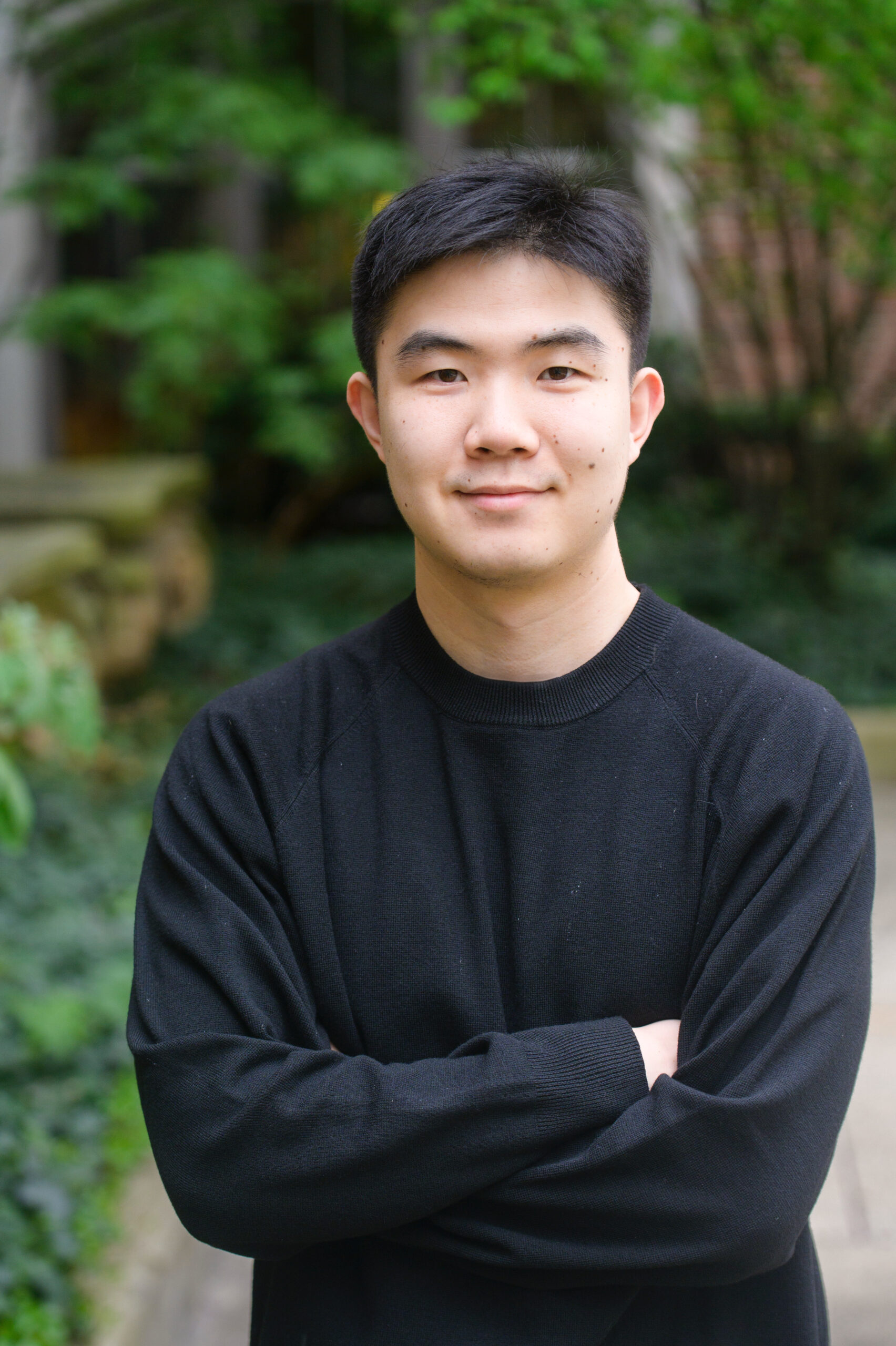
Research Scientist
Jiaxin Pei is currently a postdoctoral fellow at Stanford University working with Alex ‘Sandy’ Pentland, Diyi Yang and Erik Brynjolfsson. He is affiliated with the Digital Economy Lab and the NLP group. Jiaxin obtained my PhD from Blablablab, UMSI (School of Information, University of Michigan) advised by David Jurgens. He also worked with Jun Li at Ross School of Business. Before coming to Michigan, Jiaxin was an undergraduate student at the School of Computer Science, Wuhan University.
Jiaxin has very broad interests in human-centered AI, natural language processing, and computational social science. His overarching research ambition is to make human communications more effective and constructive by developing human-centered AI systems and analyzing large-scale human communication data.
Read more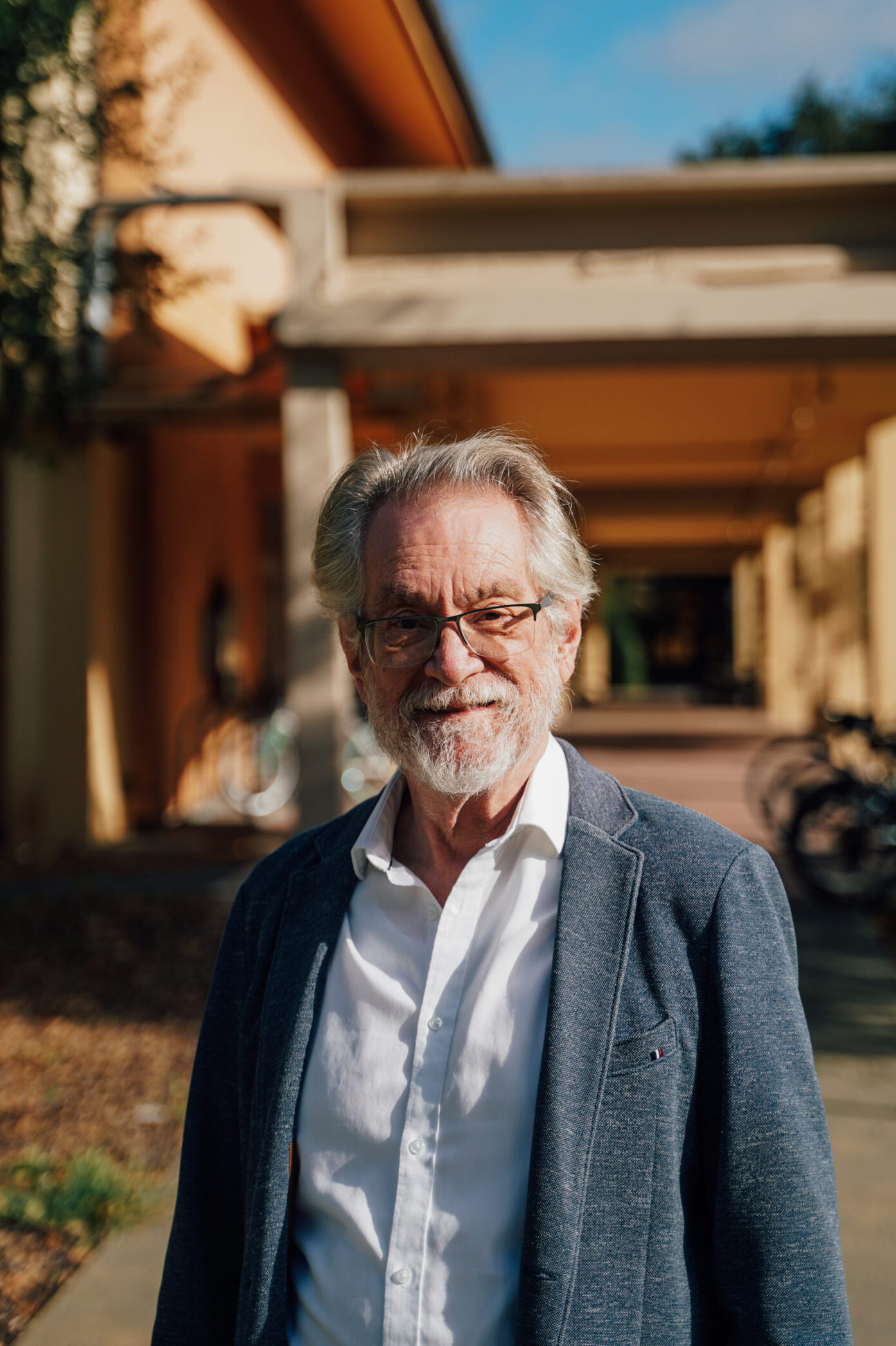
HAI Fellow and Lead Faculty
Alex “Sandy” Pentland is HAI Center Fellow and faculty lead for digital society at Stanford HAI and Digital Economy Lab. He is Toshiba Professor at MIT, member of US National Academies, Advisor to Abu Dhabi Investment Authority Lab, and formerly advisory board member at UN Secretary General’s office, Google, ATT, Telefonica, and elsewhere. Spin-off companies and open source systems from his lab manage authentication of most digital transactions in the world, media for roughly 1B people in far east, and health resources for roughly 0.5B people in the indopacific. His current focus is on problems and opportunities in using AI to improve our social institutions.
Read more
To me, the idea that we can use AI to not only understand complex financial language but also simulate realistic human behaviors opens up endless possibilities.