The AI Economic Indicators
This expanding, multi-faceted platform provides frequently updated, curated metrics tracking AI's impact on the economy.
Technology is not destiny. We shape our destiny. Just as the earlier generation of managers needed to redesign their factories, we’re going to need to reinvent our organization and even our whole economic system.
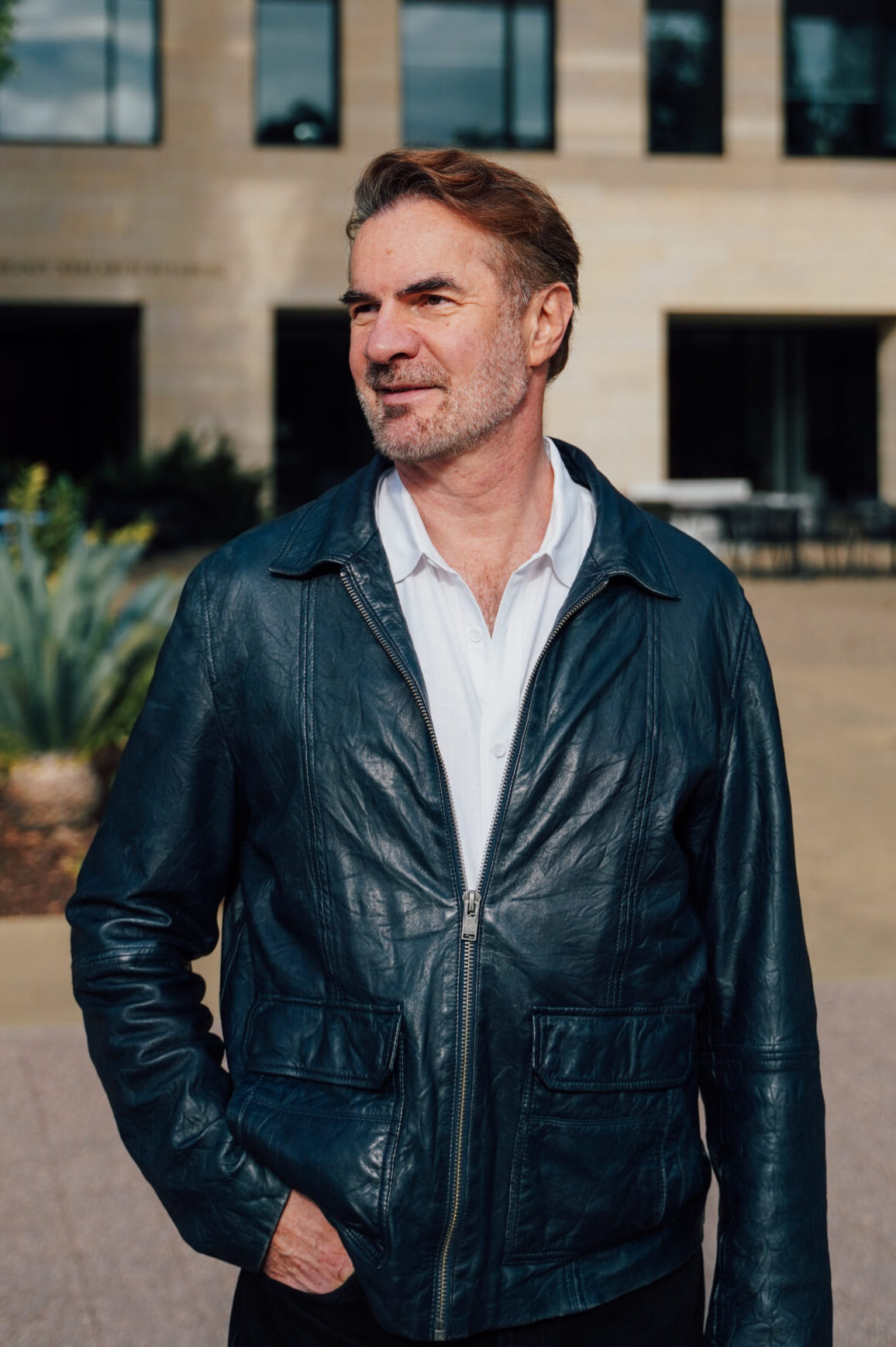
Erik Brynjolfsson is one of the world’s leading experts on the economics of technology and artificial intelligence. He is the Jerry Yang and Akiko Yamazaki Professor and Senior Fellow at the Stanford Institute for Human-Centered AI (HAI), and Director of the Stanford Digital Economy Lab. He also is the Ralph Landau Senior Fellow at the Stanford Institute for Economic Policy Research (SIEPR), Professor by Courtesy at the Stanford Graduate School of Business and Stanford Department of Economics, and a Research Associate at the National Bureau of Economic Research (NBER).
One of the most-cited authors on the economics of information, Brynjolfsson was among the first researchers to measure productivity contributions of IT and the complementary role of organizational capital and other intangibles.
Brynjolfsson leads Stanford’s work on Transformative AI—systems poised to rapidly reshape productivity, labor markets, and prosperity. He is developing the research agenda, tools, and policy frameworks to help ensure this shift benefits society, bringing together economists, technologists, and social scientists to rethink economics for the AI age.
Brynjolfsson has authored nine books including the bestsellers The Second Machine Age: Work, Progress and Prosperity in a Time of Brilliant Technologies, and Machine, Platform, Crowd: Harnessing Our Digital Future, and published more than 100 academic articles and five patents. He holds Bachelors and Masters degrees from Harvard University in applied mathematics and decision sciences and a PhD from MIT in managerial economics. Brynjolfsson’s work has shaped public policy, business strategy, and academic thinking around the world.
The Man Who Saw AI Coming
By Annie Lowrey, The Atlantic